Comprehensive Guide to Brown Patch on Leg: Causes, Diagnosis, and Advanced Treatment Options
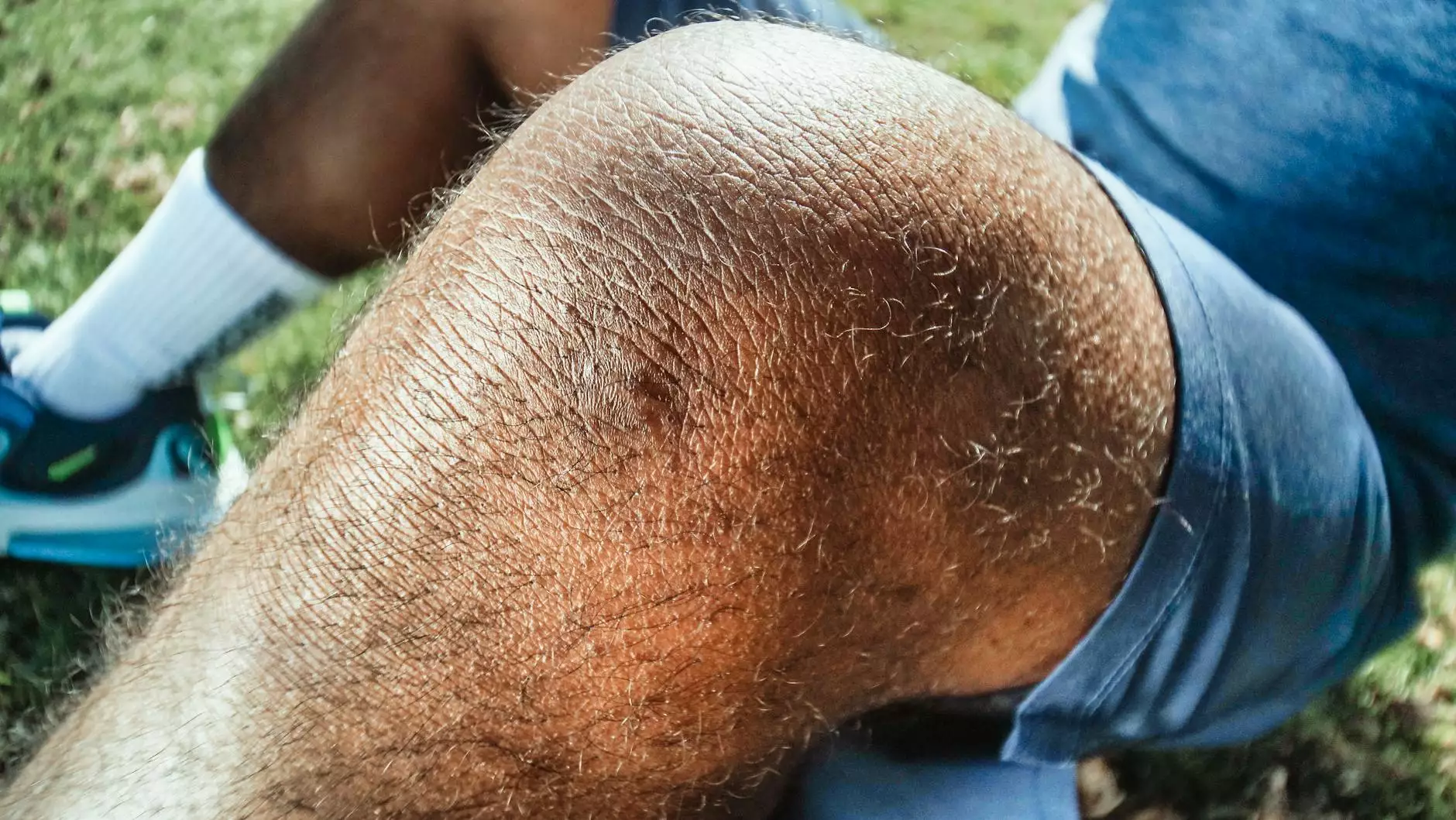
The brown patch on leg is a common concern for many individuals seeking clarity about skin discolorations, potential vascular issues, or underlying medical conditions. While it may appear as a benign skin change at first glance, understanding its root causes, recognizing associated symptoms, and pursuing professional medical evaluation are essential steps toward effective management and improved health outcomes.
Understanding the Significance of a Brown Patch on Leg
The appearance of a brown patch on leg can be associated with various factors ranging from benign dermatological conditions to complex vascular or systemic diseases. Proper identification and diagnosis are critical because some causes may indicate underlying health conditions requiring prompt intervention. Many cases are linked to circulatory problems, pigmentation irregularities, or chronic venous insufficiency.
Common Causes of Brown Patch on Leg
1. Venous Stasis Dermatitis
One of the most prevalent causes of brown patches on legs is venous stasis dermatitis. This condition arises when blood flow in the veins of the lower extremities becomes impaired, often due to chronic venous insufficiency. Blood pooling leads to increased pressure, causing skin inflammation, pigmentation changes, and ulcerations in severe cases. The brown discoloration results from hemosiderin deposition—a pigment derived from broken-down blood cells.
2. Hemosiderin Staining
Hemosiderin staining manifests as a persistent brown patch due to the leakage of red blood cell breakdown products into the skin. This pigmentation is often seen in individuals with longstanding venous issues. It typically appears on the lower legs and ankles and can be a sign of chronic venous congestion.
3. Lipodermatosclerosis
This is a chronic skin and subcutaneous tissue inflammation associated with venous disease. It presents as hardened, pigmented skin in a band-like pattern, often with a brownish hue. The skin's texture becomes thickened, and the pigmentation can resemble a “brown patch”.
4. Post-Inflammatory Hyperpigmentation
Previous skin inflammation or injury, such as dermatitis, insect bites, or trauma, can leave behind a darkened, brown patch on leg. This pigmentation persists after the resolution of the initial inflammatory process.
5. Pigmented Venous Ulcers
Chronic venous ulcers, especially if recurrent, often leave behind residual hyperpigmentation. This can look like a brown patch and signals ongoing venous insufficiency that needs to be addressed.
6. Other Medical Conditions
Less commonly, endocrine disorders such as Addison's disease, certain medications, or systemic conditions like amyloidosis may lead to pigmentation changes on the lower extremities, including brown patches. Proper medical evaluation is essential for accurate diagnosis.
Recognizing Symptoms Associated with Brown Patch on Leg
Beyond the visual appearance, it is crucial to observe accompanying signs that may indicate the severity or primary cause of the pigmentation. Symptoms to watch for include:
- Swelling or heaviness in the legs
- Skin thickening or hardness
- Itching, redness, or warmth in the affected area
- Pain or discomfort especially after prolonged standing or sitting
- Ulcer formation or skin breakdown
- Visible varicose veins
- Skin discoloration that progresses over time
The Importance of Accurate Diagnosis for Brown Patch on Leg
Because brown patches on legs can stem from diverse causes, it is paramount to undergo thorough evaluation by knowledgeable specialists in vascular medicine. Diagnostic procedures may include:
- Physical examination
- Duplex ultrasound testing to assess vein function
- Skin biopsy if indicated
- 血液 tests for systemic conditions
- Imaging studies to evaluate vascular health
Accurate diagnosis guides tailored treatment strategies, ensuring effective management and preventing complications such as ulcers or chronic skin changes.
Effective Treatment Strategies for Brown Patch on Leg
Treatment depends heavily on the underlying cause but generally aims to improve vascular flow, reduce pigmentation, and prevent skin complications. Top-tier vascular medicine specialists recommend a multidisciplinary approach that includes both medical and lifestyle interventions.
1. Compression Therapy
The cornerstone for managing venous insufficiency and associated pigmentation is compression therapy. Custom-fit compression stockings help improve venous return, reduce swelling, and diminish hemosiderin deposition, which can gradually lighten the brown discoloration.
2. Pharmacological Interventions
Venoactive agents such as flavonoids, pentoxifylline, or diuretics may be prescribed to enhance vein tone, improve blood flow, and reduce edema, contributing to the resolution of pigmentation.
3. Skin Care and Topical Treatments
Proper skin hydration, avoiding irritants, and using topical agents such as corticosteroids or pigmentation-lightening creams, under medical supervision, can aid in reducing surface discoloration and associated inflammation.
4. Medical Procedures
Advanced therapies, such as sclerotherapy, endovenous laser therapy (EVLT), or ambulatory phlebectomy, can eliminate faulty venous segments, restore normal blood flow, and promote healing of skin changes. Laser treatments and chemical peels may also be used to lighten pigmented areas.
5. Lifestyle Modifications
Maintaining a healthy weight, regular exercise, elevating legs during rest, and avoiding prolonged standing or sitting are simple yet effective ways to support vascular health and prevent progression of pigmentation.
Preventive Measures and Long-Term Care
Prevention emphasizes early diagnosis of venous disease and diligent management to avoid progression to severe skin changes. Routine self-monitoring, wearing compression stockings as recommended, and seeking specialist consultation at the first signs of discoloration or swelling can sustain vascular health.
At Truffle Vein Specialists, our experienced team of Doctors specialized in Vascular Medicine provides personalized care plans designed to tackle the root cause of the brown patch on leg and promote optimal healing.
When to Seek Professional Medical Advice
Persistent or worsening brown patches, especially with associated symptoms like pain, swelling, skin ulceration, or signs of infection, should prompt immediate consultation with a vascular specialist. Early intervention can prevent serious complications and restore healthy leg skin and vascular function.
Conclusion: Taking Action Against Brown Patch on Leg
The brown patch on leg is not merely a superficial skin issue; often, it reflects underlying vascular or systemic health concerns. Recognizing the signs, understanding the causes, and seeking expert medical assessment are crucial steps toward effective treatment and long-term health preservation. With advancements in vascular medicine, individualized treatment plans—ranging from conservative management to minimally invasive procedures—offer hope for patients aiming for healthier skin, improved circulation, and enhanced quality of life.
If you notice a brown patch on leg or have related symptoms, do not delay consultations with qualified vascular specialists. Visit Truffle Vein Specialists for expert care tailored to your specific needs.


