The Importance of Lung CT Scans in Modern Healthcare
Understanding Lung CT Scans
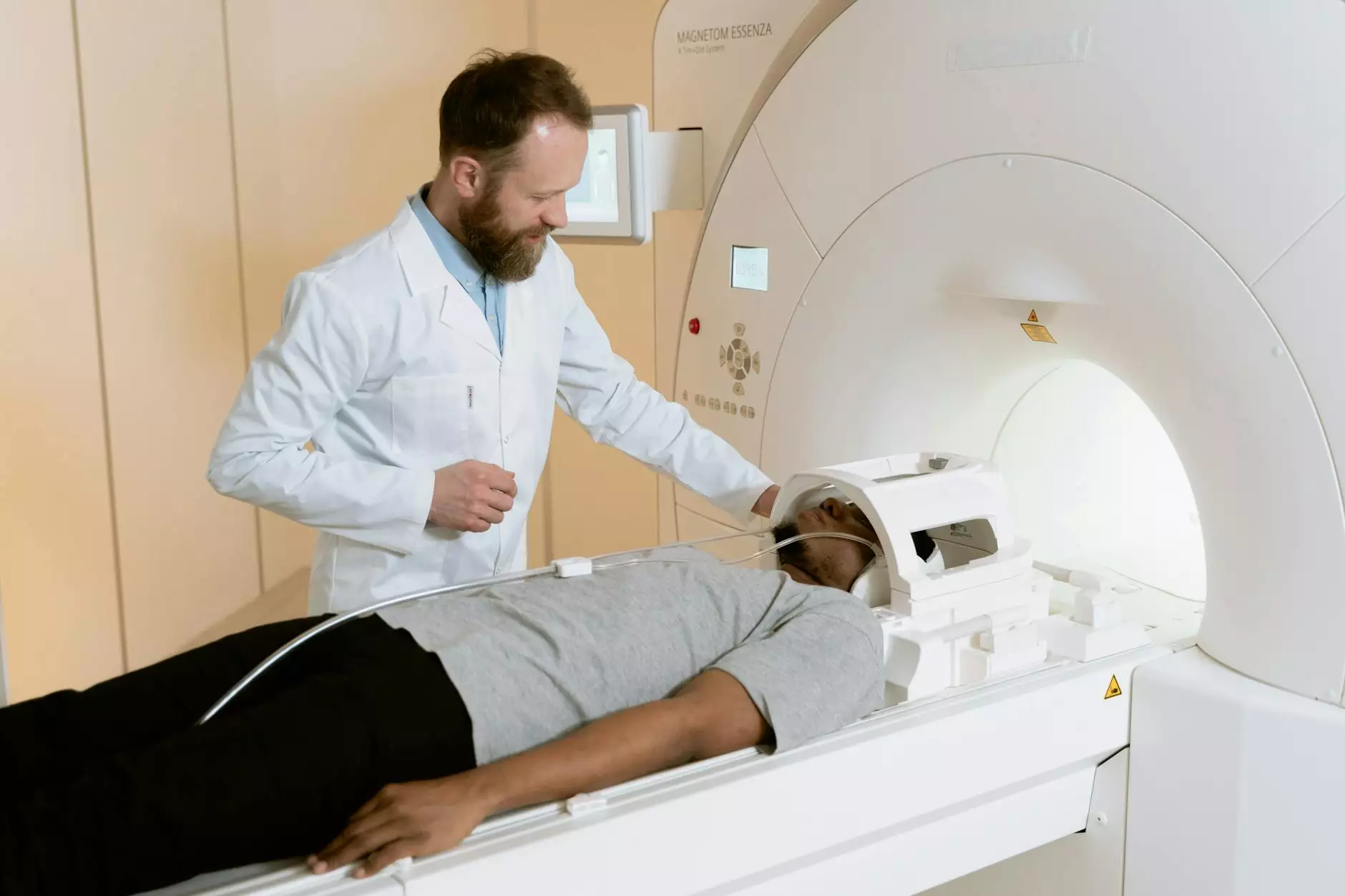
A lung CT scan, or computed tomography scan, is an advanced medical imaging technique that provides comprehensive views of the lungs. Unlike traditional X-rays, a CT scan offers detailed cross-sectional images, allowing healthcare professionals to observe the lungs' structure and detect abnormalities with greater precision.
The Role of Lung CT Scans in Health & Medical Diagnostics
Lung health is crucial for overall well-being. Especially in our current climate, where respiratory illnesses are prevalent, understanding lung function and structure is paramount. A lung CT scan is often employed to:
- Detect lung diseases: Conditions such as pneumonia, pulmonary embolism, and lung cancer can be effectively identified through CT imaging.
- Assess lung nodules: For patients with known lung nodules, CT scans help monitor changes and determine whether further intervention is necessary.
- Guide treatment decisions: The detailed images obtained through a CT scan assist doctors in formulating the most effective treatment strategy.
How a Lung CT Scan Is Performed
The procedure for a lung CT scan is relatively straightforward and non-invasive:
- Preparation: Patients may be advised to avoid eating or drinking a few hours before the test. Informing the radiologist about any allergies, especially to contrast material, is crucial.
- During the Scan: Patients lie on a motorized table that moves through the CT machine. The machine takes multiple images from different angles while the patient is asked to hold their breath for short intervals.
- Post-Procedure: There are typically no side effects, and patients can resume normal activities immediately after the scan.
Benefits of Lung CT Scans
There are numerous benefits associated with undergoing a lung CT scan, including:
- High Sensitivity: CT scans are highly effective at detecting early stages of disease, which is essential for conditions such as lung cancer where timely intervention can be life-saving.
- Differentiation of Conditions: CT imaging can help distinguish between various types of lung diseases, giving healthcare providers clearer insights into appropriate treatment options.
- Non-Invasiveness: Unlike some other diagnostic procedures (like biopsies), lung CT scans are non-invasive and carry minimal risks.
The Importance of Early Detection
Early detection of lung diseases significantly improves treatment outcomes and survival rates. By identifying issues at their nascent stages, healthcare providers can:
- Implement proactive treatment plans: Early intervention can lead to better management of chronic conditions.
- Reduce healthcare costs: Treating conditions early often results in less expensive treatment options compared to advanced-stage diseases.
- Improve quality of life: Early diagnosis and intervention can mitigate symptoms and enhance the patient’s quality of life.
Lung CT Scans in Sports Medicine
In the domain of sports medicine, understanding an athlete's respiratory health is critical for optimal performance. Athletes may be particularly susceptible to lung-related issues due to environmental factors, such as pollution, and the physical demands placed on their bodies. Lung CT scans are used for:
- Assessing exercise-induced bronchoconstriction: A CT scan can help visualize changes in the lungs that occur during and after exercise.
- Evaluating lung capacity and performance: Understanding lung structure can provide insights into an athlete’s overall efficiency and performance levels.
- Diagnosing occupational lung diseases: Athletes in certain environments may be exposed to conditions that could affect their respiratory health.
Lung CT Scans in Physical Therapy
The integration of lung CT scans within physical therapy is becoming increasingly significant. As physical therapists focus on rehabilitation and recovery, understanding the intricacies of a patient's lung health aids in:
- Developing individualized rehabilitation programs: Tailoring programs based on lung health can optimize recovery after surgeries or injuries.
- Monitoring progress: Follow-up scans can help therapists track improvement and adjust therapy as needed.
- Educating patients: Understanding their own lung conditions can motivate patients to engage actively in their recovery processes.
Challenges and Considerations
While lung CT scans are invaluable, there are some challenges and considerations needed:
- Radiation Exposure: Although the risks are minimal, it's vital to consider cumulative exposure to radiation, especially for individuals requiring multiple scans.
- Cost: Depending on healthcare plans, the price of a CT scan can be a barrier for some patients.
- Overdiagnosis: There can be instances where benign conditions are mistakenly identified as serious lung diseases, leading to unnecessary anxiety and procedures.
Conclusion
In summary, lung CT scans represent a powerful tool in the realms of health and medicine, sports medicine, and physical therapy. They facilitate early detection, accurate diagnosis, and informed treatment decisions that significantly affect health outcomes. As we enhance our understanding of lung health and its impact on overall physiology, the role of advanced imaging technology like CT scans will undoubtedly become more pronounced in improving patient care and fostering recovery.
Call to Action
If you or someone you know is experiencing respiratory issues, consider consulting with a healthcare professional about the benefits of a lung CT scan. The sooner you address respiratory health, the better your chances are for maintaining an active, fulfilling life.
For more information on lung health and advanced imaging options, visit Hello Physio.