Understanding Tortoise Pets: The Ideal Companion for All Ages
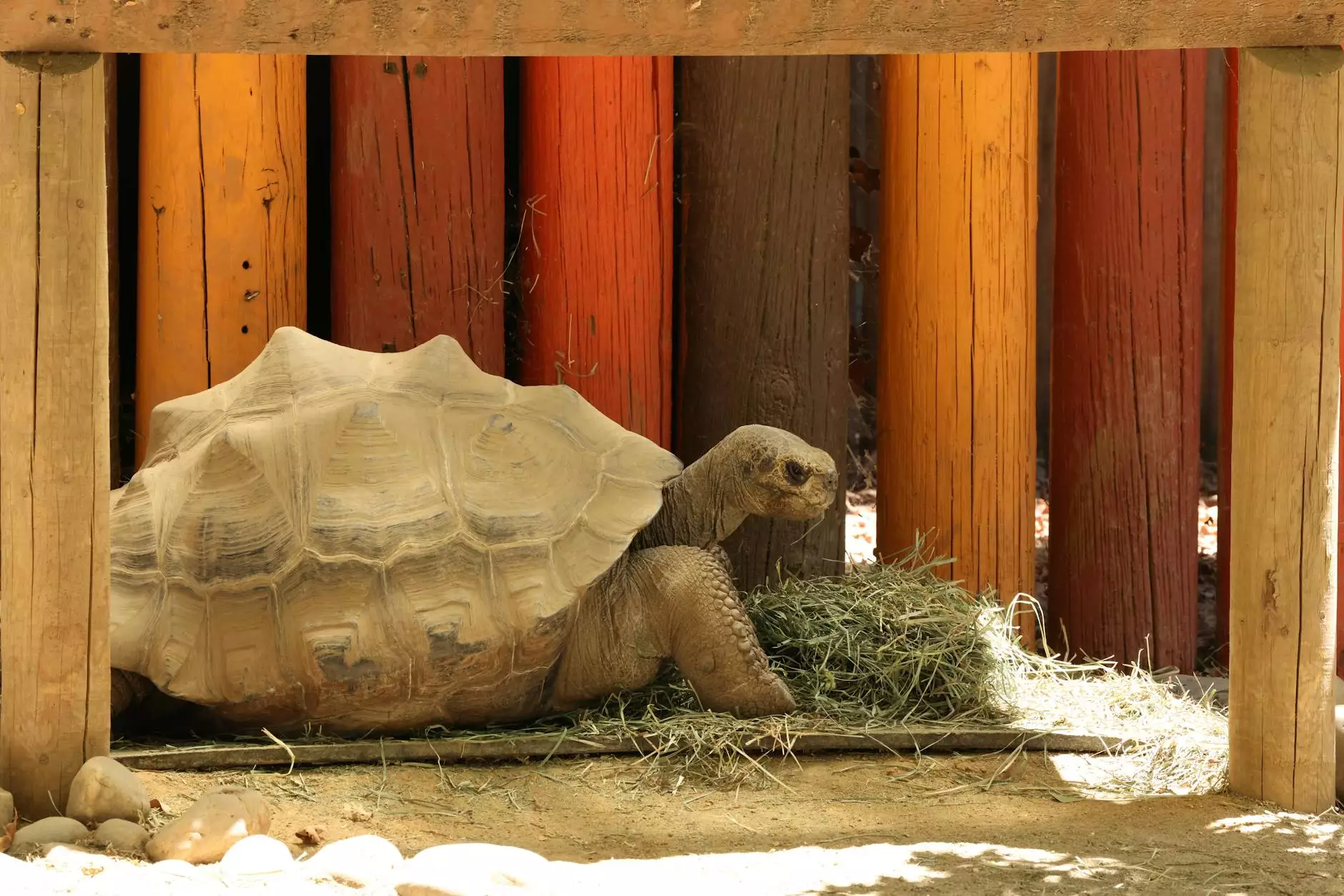
If you are considering adding a unique member to your family, tortoise pets can be a fascinating and rewarding choice. These incredible reptiles hold a special place in the hearts of many animal lovers due to their gentle nature, low maintenance needs, and long lifespan. In this comprehensive guide, we will delve into the various aspects of tortoise ownership, including pet adoption, finding reputable breeders, and exploring local reptile shops where you can find these captivating creatures.
Why Choose Tortoise Pets?
Tortoises are not your typical household pets; they come with unique characteristics that set them apart from traditional pets like cats and dogs. Here are several reasons why tortoises make excellent pets:
- Slow and Steady Companions: Tortoises are known for their slow-paced lifestyle, which can be calming for their owners.
- Long Lifespan: Many tortoises can live for several decades, with some species living over 100 years, making them a long-term commitment.
- Low Maintenance: Compared to other pets, tortoises require relatively low maintenance. They generally need a proper habitat, a balanced diet, and regular care.
- Unique Personalities: Each tortoise has its own personality, and they can be quite interactive and engaging over time.
- Educational Value: Owning a tortoise can teach responsibility and appreciation for wildlife, especially for children.
The Lifecycle of Tortoise Adoption
Adopting a tortoise is an exciting journey. However, it is essential to understand the steps involved, including choosing the right species, finding the right resources, and preparing your home.
Step 1: Research Tortoise Species
Before adopting a tortoise pet, you need to research the different species available. Some popular tortoise species include:
- Russian Tortoise: A small and hardy species, perfect for beginners.
- Leopard Tortoise: Known for their striking shell patterns, they require a bit more space.
- Sulcata Tortoise: One of the largest tortoise species, they need a significant outdoor space.
- Red-Footed Tortoise: An active tortoise that thrives in a tropical climate.
Each species has its own habitat requirements, dietary needs, and temperament. Understanding these factors will help you choose the right tortoise for your lifestyle.
Step 2: Finding a Reputable Source
Once you have decided on the species, it's time to find a tortoise pet. This can be accomplished through several avenues:
1. Pet Adoption
Adopting a tortoise can be a fulfilling experience. Many shelters and rescue organizations specialize in reptiles and could have tortoises looking for a new home. Websites like buyreptilesaus.com often have listings for pets needing adoption.
2. Trusted Breeders
Finding a reputable breeder is essential if you decide to buy. Look for breeders who prioritize the health and well-being of their animals. You can check references, reviews, and even visit their facilities when possible.
3. Reptile Shops
Local reptile shops can be great resources for purchasing tortoise pets. They often have knowledgeable staff who can offer advice on care and habitat requirements.
Setting Up Your Tortoise’s Habitat
Once you have acquired your tortoise, creating a suitable habitat is crucial for its well-being. Here are some essential elements to consider:
Indoor Setup
If you plan on keeping your tortoise indoors, you will need:
- Habitat Enclosure: A spacious enclosure with proper ventilation and space for roaming.
- Substrate: Use a suitable substrate, such as coconut coir, soil, or aspen shavings. Avoid cedar wood shavings.
- Heat and Lighting: Tortoises require a basking light to regulate their body temperature and UVB lighting for vitamin D synthesis.
- Hiding Spots: Providing places to hide will help your tortoise feel secure.
Outdoor Setup
If you have outdoor space, creating a tortoise-friendly environment can be very rewarding:
- Secure Fenced Area: Ensure your yard is securely fenced to prevent escapes and protect from predators.
- Natural Landscaping: Incorporate rocks, logs, and plants to mimic their natural habitat.
- Shaded Areas: Provide shaded spots where your tortoise can retreat from direct sunlight.
Understanding Tortoise Care
Caring for a tortoise involves more than just providing a habitat. Proper nutrition, health care, and socialization are equally important.
Dietary Needs
A well-balanced diet is vital for your tortoise's health. Here are some dietary recommendations:
- Leafy Greens: Kale, collard greens, and dandelion greens are excellent staple foods.
- Vegetables: Incorporate a variety of vegetables like squash, bell peppers, and carrots.
- Limited Fruits: Fruits should be given sparingly as treats due to their high sugar content.
Routine Health Checkups
Regular vet visits are essential to ensure your tortoise remains healthy. Look out for signs of illness such as lack of appetite, lethargy, or abnormal shells.
Social Interaction
While tortoises are not as interactive as dogs or cats, they still benefit from their owner’s company. Gently handling your tortoise and allowing it to explore its surroundings can enrich its life.
Conclusion: A Lifelong Commitment to Your Tortoise Pet
Choosing to adopt a tortoise is a commitment that can bring joy and excitement into your life. These remarkable creatures offer a unique companionship while teaching valuable lessons about responsibility and care. Whether you are looking to adopt from a shelter, buy from a reputable breeder, or visit a local reptile shop, there are ample opportunities to welcome a tortoise pet into your home.
As you embark on this journey, remember that thorough research, proper habitat setup, nutritious feeding, and regular health checkups are essential to ensure a happy and healthy life for your new companion. For those interested in more information or finding your ideal tortoise, visit buyreptilesaus.com for a wealth of resources and contacts.