Understanding Excavator Hydraulic Parts: Essential Guide for Professionals
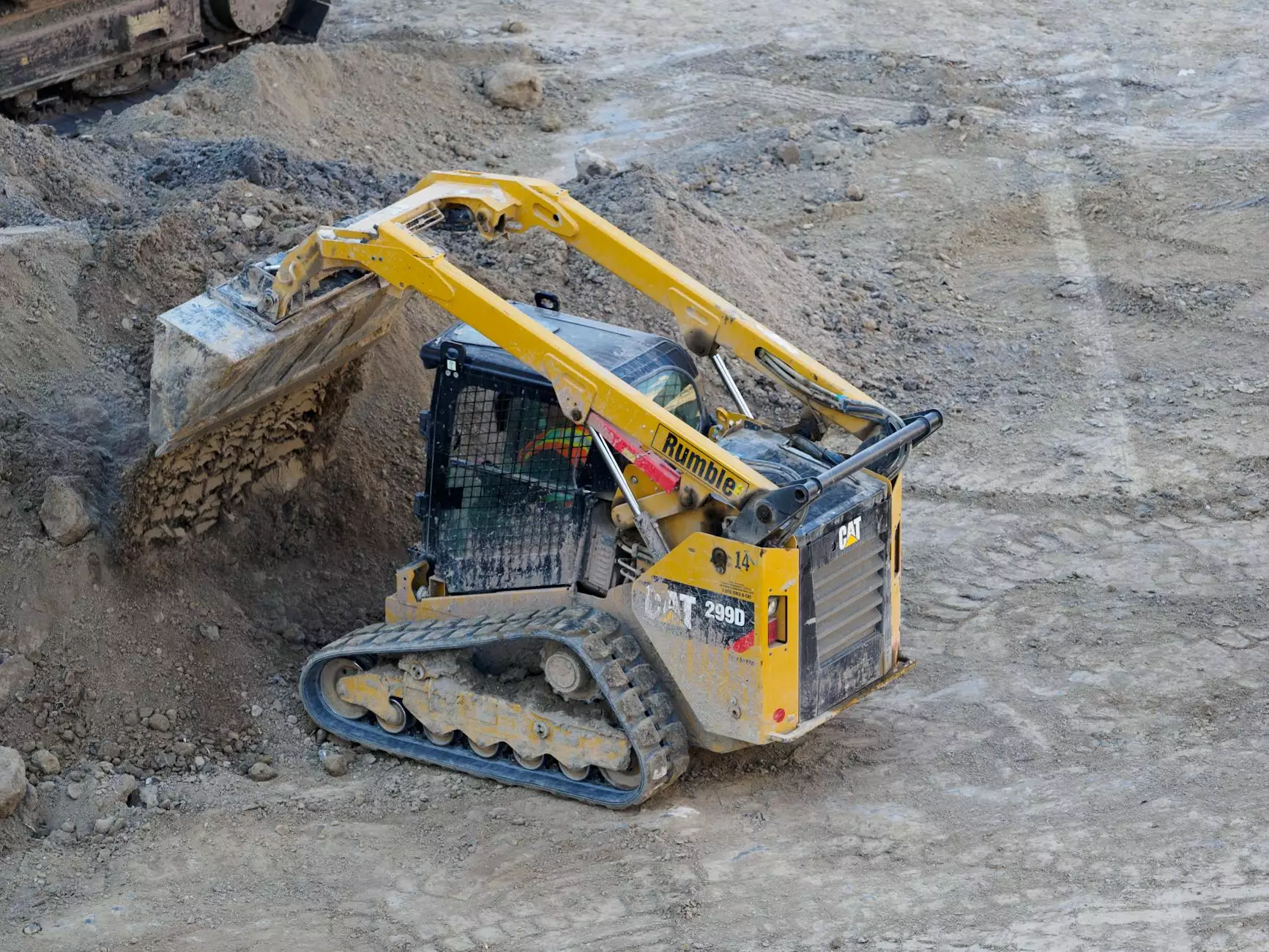
In the world of construction and heavy machinery, excavators play an indispensable role. Equipped with powerful hydraulic systems, these machines have become the backbone of modern excavation and construction projects. However, like any complex machinery, the efficiency and effectiveness of excavators rely heavily on their hydraulic parts. In this article, we will explore the various aspects of excavator hydraulic parts, their importance, types, maintenance, and where you can find high-quality replacements. This will not only enhance your understanding but also aid you in making informed decisions regarding your equipment.
What Are Excavator Hydraulic Parts?
Excavator hydraulic parts comprise several components that work together to enable the machine to perform its functions. Understanding these parts is crucial for anyone involved in the operation, maintenance, or repair of excavators. The primary components include:
- Hydraulic Pump: Converts mechanical energy into hydraulic energy, providing the power needed for the excavator's movement.
- Hydraulic Cylinder: Acts as the actuator, converting hydraulic energy back into mechanical energy to move the boom, arm, and bucket.
- Hydraulic Hose: Transports hydraulic fluid between components, ensuring smooth operation.
- Hydraulic Fluid: The lifeblood of the hydraulic system, it transmits power and lubricates the system.
- Control Valves: Regulate the flow of hydraulic fluid to the cylinders, allowing for precise movement control.
The Importance of Hydraulic Parts in Excavators
The importance of hydraulic parts in excavators cannot be overstated. They not only enable the machine to perform various functions such as digging, lifting, and transporting materials but also determine the machine's efficiency and reliability. Here are some key reasons why they are crucial:
- Performance: High-quality hydraulic parts ensure that the excavator operates at maximum efficiency, allowing it to perform tasks faster and more effectively.
- Durability: Robust and well-maintained hydraulic components contribute to the longevity of the excavator, reducing the likelihood of breakdowns.
- Cost-Efficiency: Investing in quality hydraulic components can lead to significant savings on repairs and replacements in the long run.
- Safety: Properly functioning hydraulic systems are vital for operator safety, minimizing the risk of accidents due to equipment failure.
Types of Excavator Hydraulic Parts
The range of excavator hydraulic parts is extensive, and each component has its own specific role. Here’s a closer look at the main types:
1. Hydraulic Pumps
Hydraulic pumps are the heart of the hydraulic system. They are responsible for generating the hydraulic pressure needed to power various components. There are different types of hydraulic pumps, including gear pumps, piston pumps, and vane pumps. Each type has its advantages and is suited for specific applications based on the excavator's design and operation requirements.
2. Hydraulic Cylinders
Hydraulic cylinders are mechanical actuators that help in converting hydraulic energy into mechanical energy. They are classified into different types based on their design, including double-acting cylinders, single-acting cylinders, and telescopic cylinders. Each cylinder type is used depending on the movement and application required in the excavator’s operations.
3. Hydraulic Hoses and Fittings
Hydraulic hoses connect various components of the hydraulic system. They are designed to withstand high pressures and are crucial in managing the flow of hydraulic fluid. Proper fittings and hoses ensure a leak-free system that maximizes the excavator's performance. Regular inspection and replacement of hoses and fittings are essential to prevent failures.
Maintaining Excavator Hydraulic Parts
To ensure longevity and optimal performance of excavator hydraulic parts, regular maintenance is essential. Here are some maintenance practices that should be followed:
1. Regular Inspection
Conducting regular inspections of hydraulic components can help identify issues before they escalate. Check for leaks in hoses and fittings, inspect cylinders for any signs of wear, and ensure all connections are secure.
2. Hydraulic Fluid Maintenance
The hydraulic fluid should meet the manufacturer's specifications. Check its level regularly and replace it according to the scheduled maintenance plan. Dirty or contaminated fluid can lead to severe damage to hydraulic components.
3. Cleaning and Lubrication
Cleaning exposed hydraulic components can prevent dirt and debris from entering the system. Additionally, lubricate moving parts as necessary to reduce wear and prolong their lifespan.
4. Professional Servicing
While regular inspections can be performed by operators, it is advisable to have the hydraulic system professionally serviced periodically. Trained technicians can conduct in-depth assessments and repairs.
Where to Find High-Quality Excavator Hydraulic Parts
When searching for excavator hydraulic parts, quality should always be the top priority. Here are some tips on finding the right parts:
1. Reputable Suppliers
Look for suppliers known for selling high-quality hydraulic components. Websites like shophydraulicamerica.com are excellent resources, offering a wide range of parts along with expert guidance on the best products for your excavator.
2. OEM vs Aftermarket
Decide whether you want Original Equipment Manufacturer (OEM) parts or aftermarket parts. OEM parts guarantee compatibility and quality, while aftermarket parts may offer more cost-effective solutions with varying quality levels.
3. Customer Reviews
Reading reviews and testimonials from other customers can provide insights into the quality and performance of the parts you are considering. Look for reviews specifically on excavator hydraulic parts and suppliers.
4. Expertise in the Field
Choose suppliers that have knowledgeable staff who can provide technical assistance and advice based on your specific needs and equipment requirements.
Conclusion
In conclusion, understanding excavator hydraulic parts is crucial for anyone involved in the operation and maintenance of excavators. From their importance in enhancing performance to their various types and maintenance practices, being well-informed leads to a safer and more efficient operation. By investing in high-quality parts from reputable suppliers like shophydraulicamerica.com, you ensure that your excavator remains a reliable and effective piece of machinery for all your construction needs.
By prioritizing the maintenance of hydraulic systems and regularly inspecting components, you can maximize the lifespan and performance of your excavator, reducing downtime and costs in the long run. Remember, good practices lead to enhanced efficiency and productivity, ensuring that your projects progress smoothly and successfully.