Transforming Workspaces: The Essence of Company Office Interior Design
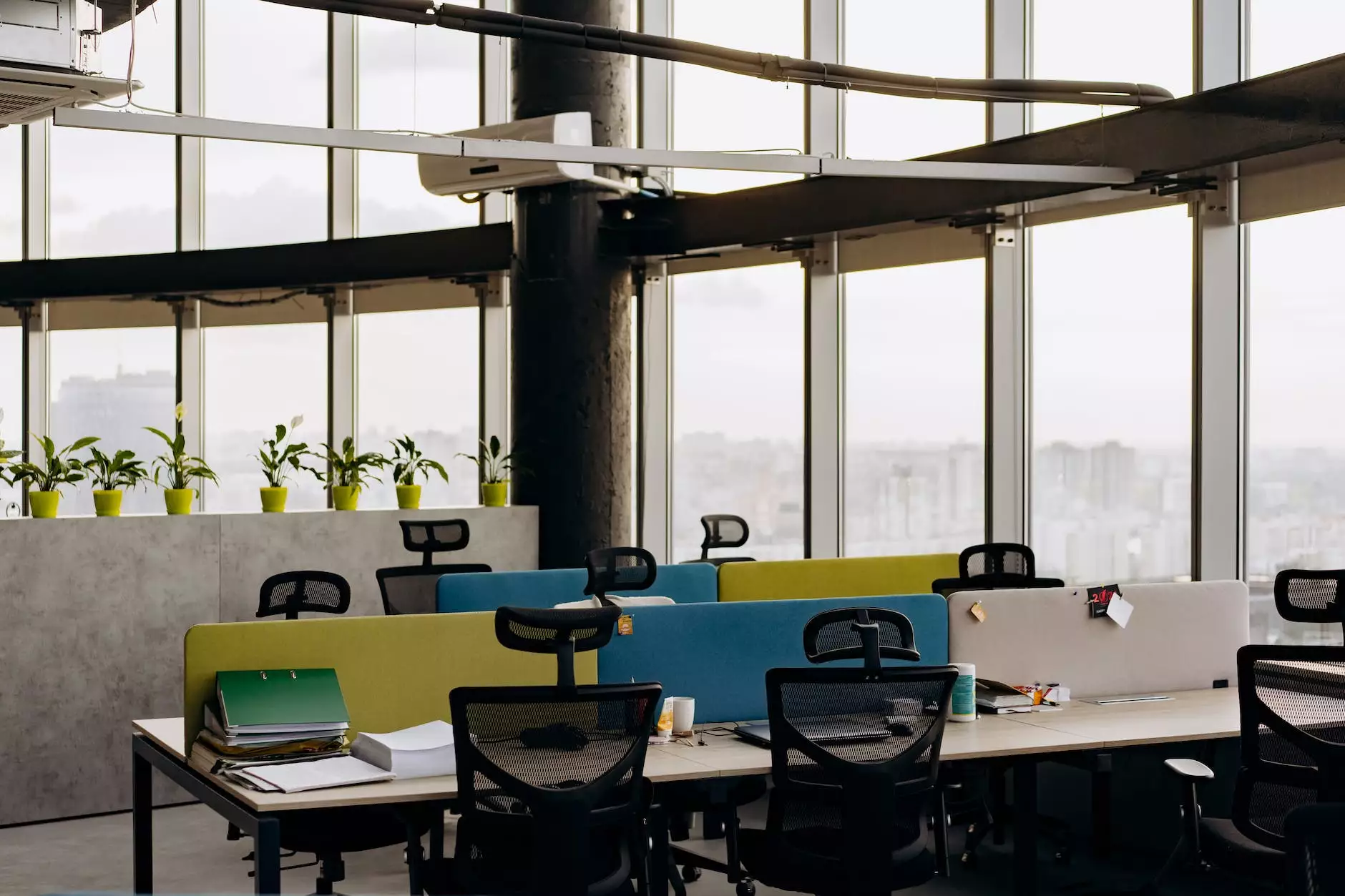
In today's fast-paced business environment, the workspace's design plays a crucial role in shaping the corporate culture and influencing employee productivity. Companies that invest in company office interior design not only enhance the aesthetics of their workspaces but also promote better collaboration and creativity among their teams. At Amodini Systems, we understand the profound impact of a well-designed office environment in Delhi. This article explores how exceptional interior design can transform your workspace into a hub of inspiration and efficiency.
The Importance of Office Interior Design
Office interior design extends far beyond mere aesthetics. It's about creating an environment that fosters innovation, enhances employee well-being, and reflects the company's values and objectives. Here are several key reasons why office interior design is paramount:
- Improved Productivity: Studies indicate that a well-thought-out workspace design can significantly improve employee productivity. Natural light, ergonomic furniture, and collaborative spaces encourage employees to perform at their best.
- Employee Satisfaction: A comfortable and visually appealing office can boost morale and decrease turnover rates. Employees are more likely to stay with a company that invests in their working environment.
- Brand Reflection: Your office space serves as a representation of your brand. A coherent design that aligns with your brand identity can leave a lasting impression on clients and visitors.
- Flexibility: Modern workspaces require flexibility. A well-designed office allows for easy reconfiguration to accommodate changing team sizes and styles of work.
Key Elements of Effective Office Interior Design
When it comes to company office interior design, several crucial elements should be considered. These include:
1. Space Planning
Efficient space planning is the cornerstone of a functional workspace. This involves examining how space is utilized and ensuring that it promotes productivity and communication. Factors such as zoning, layout, and traffic flow are vital in creating an effective office design.
2. Color Schemes
The colors in an office can dramatically impact mood and motivation. Consider incorporating your brand colors, but also understand the psychological effects of different colors. For instance:
- Blue: Promotes calmness and focus.
- Green: Stimulates creativity and innovation.
- Yellow: Encourages optimism and energy.
3. Furniture Selection
Choosing the right furniture is essential for both functionality and comfort. Ergonomic chairs and desks can prevent discomfort and injury, while collaborative furniture can foster teamwork and brainstorming.
4. Lighting
Lighting can make or break an office environment. Incorporating a mix of natural and artificial lighting not only reduces eye strain but also creates a welcoming atmosphere. Consider features such as:
- Task Lighting: Provides direct light to workspaces.
- Ambient Lighting: Creates a general illumination that enhances the ambiance.
- Accent Lighting: Highlights specific areas or decor.
5. Biophilic Design
Biophilic design incorporates natural elements into the workspace. This includes the use of plants, natural materials, and water features, which promote wellness and improve air quality.
Steps to Achieve Exceptional Office Interior Design
Achieving a standout company office interior design involves a series of thoughtful steps. Here’s a guide to help you through the process:
1. Define Your Goals
Before diving into design, clearly define what you want to achieve. Consider factors such as:
- What is the core purpose of your workspace?
- How do you want employees to interact?
- What message do you want to convey to clients?
2. Conduct Space Assessment
Evaluate your current space. Identify what works and what doesn't. This assessment will guide necessary changes and improvements.
3. Gather Employee Input
Involve employees in the design process. Their insights can provide valuable perspectives on how the workspace affects their productivity and satisfaction.
4. Collaborate with Professionals
Working with professional designers, such as those at Amodini Systems, can bring expertise and creativity to your project. A skilled interior designer understands the nuances of space, color, and functionality.
5. Create a Design Plan
With goals defined and input gathered, develop a comprehensive design plan. This plan should outline layout, color schemes, furniture, lighting, and decor elements.
6. Implement the Design
Once the plan is finalized, it’s time for implementation. This may involve renovation, purchasing new furniture, and rearranging the workspace to reflect the new design.
7. Evaluate and Adjust
After the design is complete, continually assess its effectiveness. Gather feedback from employees and observe if the workspace fulfills its intended purpose. Be open to making necessary adjustments over time.
Creating a Lasting Impact with Office Interior Design
In a diverse city like Delhi, where office spaces are constantly evolving, having a unique and inspiring office interior can set your company apart from competitors. An engaging workspace not only attracts top talent but also retains them. Here’s how to maximize the impact of your design:
- Showcase Company Culture: Use design elements that reflect your company ethos. Display values, vision statements, and team achievements through art and decor.
- Encourage Collaboration: Designate areas that foster teamwork, such as open meeting spaces, lounges, and breakout areas.
- Consistency Across Spaces: Ensure that the design is consistent throughout different areas of the office to create a cohesive experience.
Future Trends in Office Interior Design
As businesses continue to adapt to new challenges, office interior design will evolve accordingly. Here are some anticipated trends that might shape future workspaces:
1. Increased Focus on Wellness
The push for wellness in the workplace is stronger than ever. Expect to see features like wellness rooms, fitness areas, and designs that promote mental well-being through quiet zones and relaxation spaces.
2. Hybrid Workspaces
As remote work becomes a standard practice, hybrid office designs will rise in popularity. Workspaces will accommodate both in-office and remote employees with flexible layouts and technology-enhanced meeting rooms.
3. Sustainable Design Practices
With a growing emphasis on sustainability, expect more companies to incorporate eco-friendly materials and practices in their designs. This not only benefits the environment but can also improve employee morale.
Conclusion
Investing in company office interior design is no longer a luxury but a necessity for businesses aiming to succeed in today’s competitive landscape. A well-designed workspace can enhance productivity, elevate brand identity, and promote employee well-being. At Amodini Systems, we strive to create innovative designs that reflect your company’s vision and support its growth. Embrace the transformative power of interior design, and watch your business thrive in an inspiring environment.