Understanding Grain Drying: A Comprehensive Overview
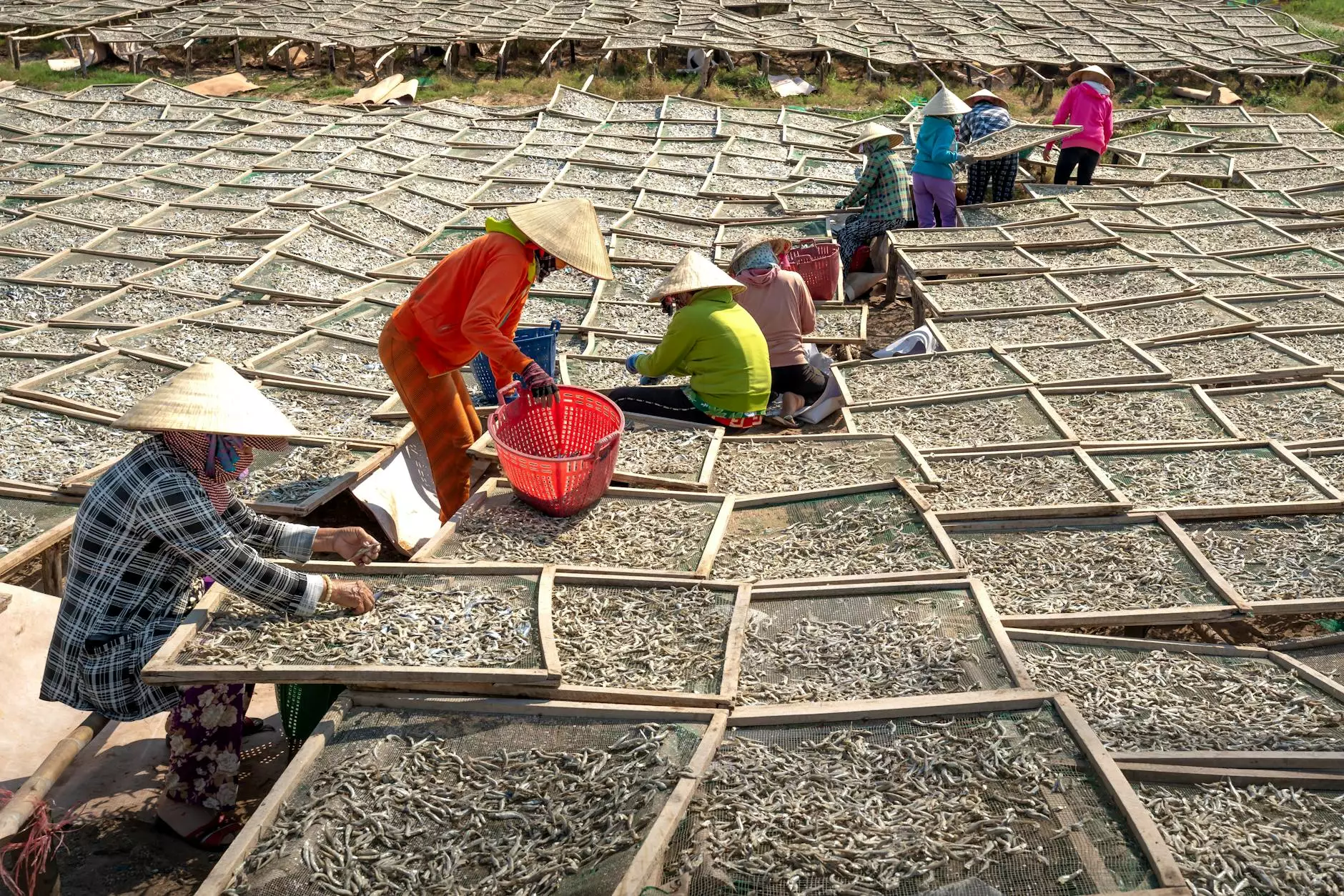
Grain drying is a crucial process in the agriculture industry, ensuring that harvested grains are preserved in optimal conditions for storage and transport. Effective grain drying prevents spoilage, reduces the risk of diseases, and improves the quality and market value of the grains. In this article, we will explore various techniques, equipment, and best practices related to grain drying, providing valuable insights to farmers and agricultural professionals.
The Importance of Grain Drying
The primary goal of grain drying is to reduce the moisture content of the grains to a safe level, typically between 12% to 14%, depending on the type of grain. Here are some key reasons why grain drying is essential:
- Prevention of spoilage: High moisture levels can lead to mold and fungal growth, which can ruin entire batches of grain.
- Enhancement of quality: Properly dried grains maintain their nutritional value, taste, and marketability.
- Ease of storage: Dry grains are less prone to pest infestations and can be stored more efficiently.
- Better financial return: Dried grains tend to fetch higher prices in the market due to their quality.
Techniques for Grain Drying
There are several techniques for drying grains, each with its own advantages and applications. The choice of method often depends on the scale of operation, type of grain, climate conditions, and available equipment.
1. Natural Air Drying
Natural air drying involves spreading harvested grains in a thin layer outdoors, allowing the sun and wind to gradually reduce moisture content. This method is simple and cost-effective but may not be reliable in areas with unpredictable weather conditions.
2. Mechanical Drying
Mechanical drying utilizes specialized equipment to evenly and efficiently dry grains. This method is preferred for larger operations and offers several advantages:
- Controlled conditions: Mechanical dryers can maintain optimal drying temperatures and airflow, leading to uniform results.
- Reduced drying time: These systems can significantly speed up the drying process, allowing farmers to manage larger quantities of grain more effectively.
- Versatile operation: Most mechanical dryers can handle various grain types, making them adaptable to different farming operations.
3. Heat-Aided Drying
This technique introduces heat to the drying process, either through the use of hot air from a furnace or solar energy. Heat-aided drying is particularly effective in reducing moisture levels quickly, but attention must be given to avoid overheating, which can damage the grains.
Grain Drying Equipment: A Closer Look
Investing in the right grain drying equipment is vital for optimizing the drying process. Below are some common types of equipment used in grain drying:
1. Grain Dryers
Grain dryers are designed specifically for reducing moisture content in grains. They come in various configurations, including:
- Continuous flow dryers: Ideal for high-capacity farms, these dryers allow a constant flow of grain through the system.
- Batch dryers: Suitable for smaller farms, batch dryers process grain in fixed quantities.
- Mobile grain dryers: These portable units can be moved from one location to another, offering flexibility to farmers.
2. Fans and Heaters
Fans and heaters help manage airflow and temperature in the drying process. Adequate air circulation is crucial in preventing hot spots in the grain mass. Using a combination of fans and heaters, farmers can create optimal drying conditions.
3. Moisture Meters
To ensure grains are dried to the correct moisture level, moisture meters are essential tools that provide accurate readings. These devices help farmers monitor moisture content in real-time and make informed decisions during the drying process.
Best Practices for Effective Grain Drying
To maximize the effectiveness of your grain drying efforts, consider implementing the following best practices:
1. Monitor Weather Conditions
Stay informed about local weather forecasts, as weather conditions can significantly impact the grain drying process, especially when using natural air drying methods. Timing your drying operations around favorable weather can help achieve better outcomes.
2. Prepare Grains for Drying
Before drying, it’s essential to remove any foreign materials such as straw, rocks, and dirt from grains. This cleanup enhances airflow during drying and prevents contamination.
3. Maintain Equipment Regularly
Regular maintenance of drying equipment is crucial for efficiency and longevity. Schedule inspections and cleanings to ensure that your systems are functioning optimally.
4. Test Moisture Levels Frequently
Utilize moisture meters to frequently test the moisture levels of your grains throughout the drying process. This allows you to adjust airflow and drying time as needed.
Benefits of Using TSGC Inc. for Your Grain Drying Needs
At TSGC Inc., we specialize in farm equipment repair and can help you maintain your drying equipment in peak condition. Here’s why partnering with us is beneficial:
- Expertise: Our team has extensive knowledge of various drying technologies and can provide tailored recommendations for your specific needs.
- Comprehensive services: From equipment sales to repair, our full range of services ensures that you have everything you need for effective grain drying.
- Prompt support: We prioritize quick response times to minimize downtime and keep your farming operations running smoothly.
Conclusion
In conclusion, grain drying is a vital process for ensuring the quality and marketability of harvested grains. By understanding the various techniques, leveraging the right equipment, and implementing best practices, farmers can optimize their drying processes and maximize their returns. With TSGC Inc. by your side, you can rest assured that your grain drying needs are taken care of efficiently and effectively.
By prioritizing proper grain drying practices, you not only enhance the quality of your grain but also contribute to a sustainable and profitable farming operation.