Buy and Sell Silver: A Comprehensive Guide to Silver Investment
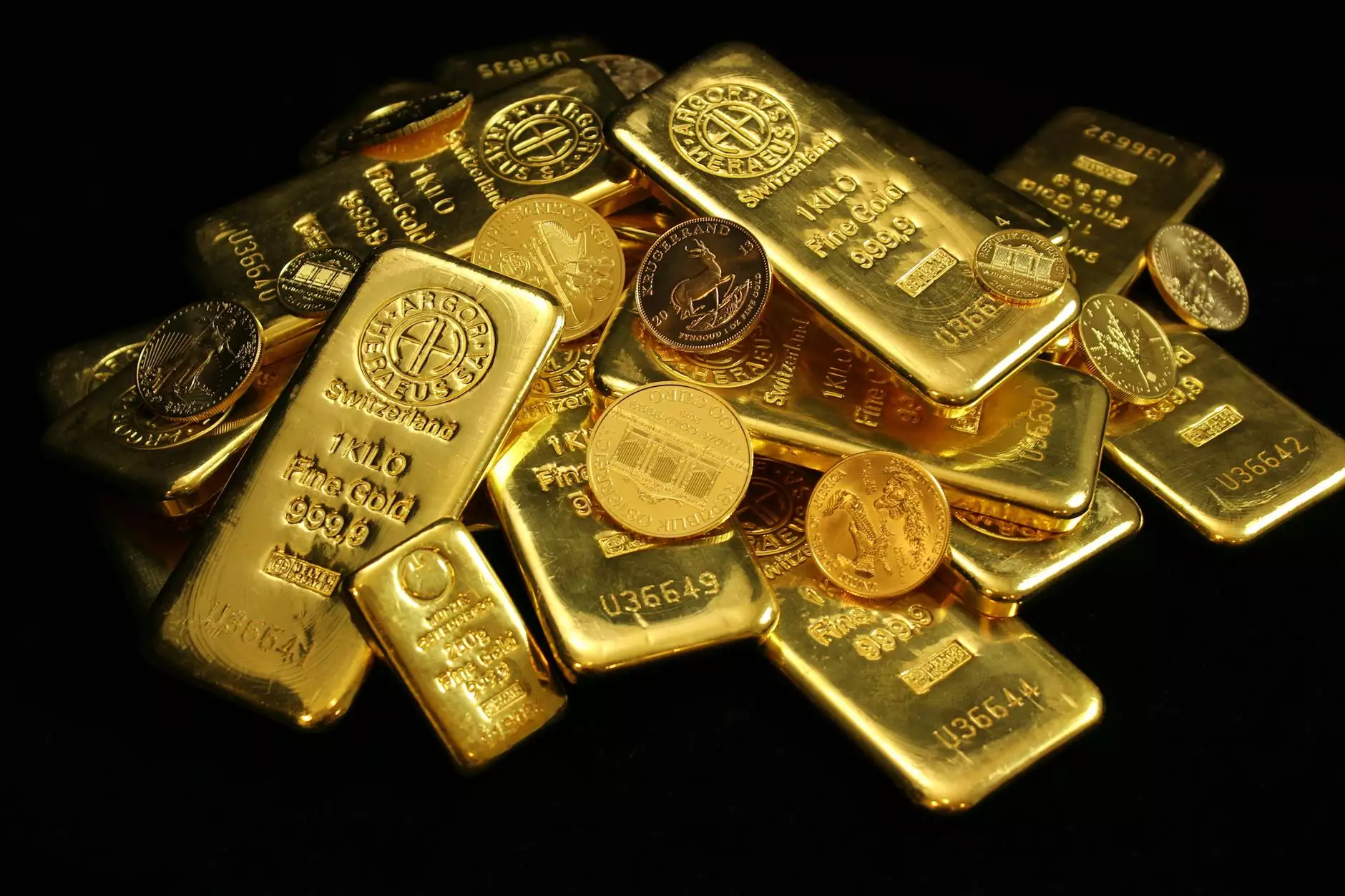
Silver has long been hailed as a pillar of wealth and security, captivating investors and collectors alike. In today's dynamic market, understanding how to buy and sell silver proficiently is critical for maximizing profits and minimizing risks. This article will delve deep into the silver investment landscape, supported by Dons Bullion, your trusted partner in acquiring precious metals.
Why Invest in Silver?
The decision to buy and sell silver comes with a plethora of benefits. Firstly, silver acts as a tangible asset that can serve as a hedge against inflation and economic instability. Unlike paper assets, silver retains intrinsic value, providing a safety net during tumultuous financial periods. Here are some enticing reasons to consider silver:
- Affordability: Compared to gold, silver is more accessible to a wider range of investors.
- Diverse Applications: Silver is utilized in various industries, including technology, medicine, and renewable energy, which bolsters its demand.
- Potential for High Returns: Historical trends suggest that silver prices can soar, providing prospects for significant returns on investment.
- Tangible Asset: Owning physical silver offers security that digital assets cannot match.
Types of Silver Investments
When considering how to buy and sell silver, it’s essential to understand the different forms silver can take. Each type comes with its own advantages and considerations:
1. Silver Bullion
Silver bullion is one of the most common forms of silver investment. It typically comes in bars, ingots, or coins, usually made from .999 pure silver. Investors seeking to acquire physical silver often turn to bullion due to its ease of storage and liquidity.
2. Silver Coins
Collectible coins, such as the American Silver Eagle or the Canadian Silver Maple Leaf, are popular among both investors and numismatists. These coins not only hold intrinsic silver value but can also appreciate in collectors' value.
3. Silver ETFs
For those looking to trade silver without physically holding it, silver exchange-traded funds (ETFs) can be an attractive option. ETFs represent a pool of investors collectively owning large amounts of silver, and they can be bought and sold just like stocks on major exchanges.
4. Silver Mining Stocks
Investing in companies that mine silver can yield impressive returns, particularly when silver prices rise. However, investing in mining stocks comes with additional risks related to market fluctuations and operational challenges.
How to Buy Silver
Having established the merits of silver investments, let’s delve into the practical aspects of how to buy and sell silver effectively.
1. Research Reputable Dealers
Start by identifying credible dealers in the precious metals market. Websites like donsbullion.com offer genuine silver products and transparent pricing. A reputable dealer ensures that you are purchasing authentic silver without hidden fees.
2. Determine Your Budget
Be clear about how much you are willing to invest. This helps narrow down your options and aids in effective decision-making as you explore different types of silver products.
3. Choose the Right Type of Silver
Based on your research and budget, decide whether to purchase bullion, coins, ETFs, or mining stocks. Each category has its characteristics; choose one that aligns with your investment strategy.
4. Make the Purchase
Once you have identified the silver type and dealer, proceed to make your purchase. Most dealers will offer various payment methods; ensure you choose a secure option that suits you.
How to Sell Silver
Just as it's essential to know how to buy silver, understanding how to sell your silver investment is equally crucial. Here's a step-by-step guide:
1. Know the Market Price
Before selling your silver, research the current market prices. Websites like donsbullion.com often provide real-time pricing for silver, which will help you gauge the best time to sell.
2. Evaluate Your Silver
Assess the condition and type of silver you hold. Silver bullion will generally command a different price compared to collectible coins. Being informed about the value of your items is pivotal for successful negotiation.
3. Find Qualified Buyers
Similar to buying, ensure you sell to reputable dealers or qualified buyers. You may also consider online platforms dedicated to buying and selling silver effectively.
4. Negotiate the Price
Don’t accept the first offer immediately. Take your time to negotiate, especially if you believe your silver holds higher value. Knowledge of current silver prices is crucial during this stage.
5. Complete the Transaction
Once you finalize the sale, ensure that you receive payment promptly and securely, and that proper documentation is provided. This helps verify the transaction and protects both parties.
Storage and Safety of Silver Investments
After you buy and sell silver, it is important to consider the security and storage of your investment. Here are some effective strategies to ensure your silver remains safe:
1. Home Safes
Investing in a high-quality home safe can provide excellent protection for your silver. Ensure that it is fireproof and waterproof for added safety.
2. Bank Safety Deposit Boxes
Renting a safe deposit box at a bank is an accessible option for those who prefer off-site storage. This guarantees a high level of security and peace of mind.
3. Insurance
Consider insuring your silver investments. This coverage protects against potential loss due to theft or unforeseen events, solidifying your financial security.
Market Trends: What to Watch For
The silver market is influenced by various factors. Staying informed about market trends can significantly enhance your buy and sell silver strategy. Here are some key indicators to watch:
- Industrial Demand: Silver's role in technology and renewable energy makes industrial demand an important factor affecting its price.
- Economic Conditions: Inflation rates, currency strength, and global economic conditions can influence silver prices significantly.
- Geopolitical Events: Unrest or uncertainties in key regions often lead to increased interest in precious metals as safe-haven assets.
- Market Speculation: Keep an eye on commodity traders and investor sentiment, as these can drive prices up or down.
Common Misconceptions About Silver Investment
Despite its advantages, there are several misconceptions surrounding the silver investment landscape. Let’s debunk a few:
1. Silver is Just a Poor Man's Gold
While silver is more affordable, it holds its unique value and caters to a distinct market. Silver's industrial applications are significant and often drive its demand irrespective of gold prices.
2. Silver is Too Volatile
All investments come with risk, but proper research and timing can mitigate this volatility. Understanding market cycles can lead to more calculated investment decisions.
3. Physical Silver is Hard to Liquidate
With numerous dealers and buyers in the market, liquidating silver has never been easier. Knowledge of the market ensures that you can sell effectively when needed.
Conclusion
Investing in silver presents a golden opportunity for those looking to diversify their portfolio and secure their wealth. Whether you are keen to buy and sell silver as a long-term investment or a passionate collector, understanding the market dynamics is key. By partnering with professionals at donsbullion.com, you can navigate this exciting landscape confidently and securely.
Let your silver investment journey begin today. By following the guidance and tips in this article, you are well-equipped to make informed decisions that can lead to substantial rewards in the shimmering world of silver!