Lung Cancer Surgery: Comprehensive Guide to Treatment and Recovery
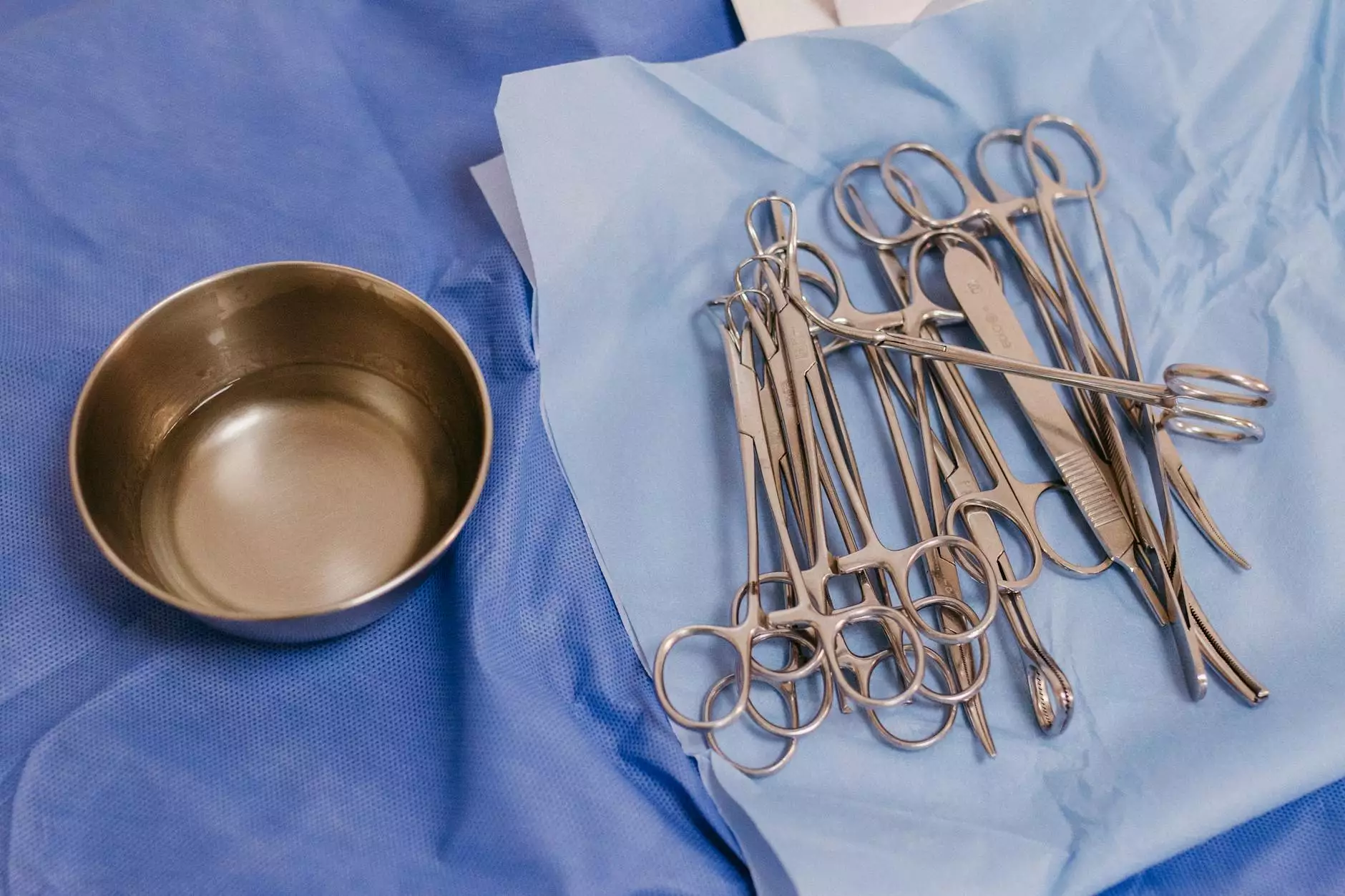
Lung cancer remains one of the most prevalent types of cancer worldwide, impacting millions of lives each year. The journey towards recovery begins with understanding the various treatment options available, particularly lung cancer surgery. This article aims to provide a thorough and detailed overview of lung cancer surgery, helping patients, families, and caregivers make informed decisions.
Understanding Lung Cancer
Lung cancer occurs when cells in the lungs grow uncontrollably, leading to the formation of tumors that can interfere with lung function. The two most common types are:
- Non-small cell lung cancer (NSCLC): This accounts for approximately 85% of lung cancer cases and includes several subtypes.
- Small cell lung cancer (SCLC): This type is less common but tends to spread more quickly than NSCLC.
Indications for Lung Cancer Surgery
Surgery is often a viable option for patients whose lung cancer is diagnosed at an early stage. The decision to proceed with lung cancer surgery depends on various factors, including:
- The type of lung cancer.
- The size and location of the tumor.
- Whether cancer has spread to nearby lymph nodes or other areas.
- The overall health and lung function of the patient.
Types of Lung Cancer Surgery
Lobectomy
A lobectomy involves the removal of one lobe of the lung. This is the most common surgical approach for lung cancer and is preferred when the cancer remains localized within one lobe.
Pneumonectomy
A pneumonectomy is a more extensive surgery that involves the removal of an entire lung. This surgery is typically reserved for larger tumors or when the cancer has extensive involvement in one lung.
Segmentectomy and Wedge Resection
For patients with smaller tumors or compromised lung function, a segmentectomy or wedge resection may be performed, allowing surgeons to remove a smaller, targeted portion of the lung.
The Surgical Process
Understanding what to expect during lung cancer surgery can alleviate anxiety for many patients. The surgical process generally includes the following steps:
Preoperative Assessments
Before surgery, patients undergo a series of preoperative tests including:
- Chest X-rays
- CT scans
- Pulmonary function tests
- Blood tests
These assessments help determine the best surgical approach and evaluate the patient’s overall health.
Anesthesia and Surgery Duration
Patients are placed under general anesthesia for the procedure. The duration of the surgery may vary but typically lasts between 2 to 8 hours, depending on the type of surgical procedure performed.
Postoperative Care
Following surgery, patients are moved to a recovery room where they are monitored closely. Key aspects of postoperative care include:
- Pain management
- Fluid management
- Gradual rehabilitation
Benefits of Lung Cancer Surgery
One of the primary benefits of lung cancer surgery is the potential for a complete cure, particularly when the cancer is diagnosed early. Other advantages include:
- Improved lung function compared to other treatments such as radiation or chemotherapy.
- The ability to obtain tissue samples for accurate diagnosis and staging.
- Reduction or elimination of cancer symptoms, such as breathing difficulties.
Potential Risks and Complications
As with any major surgery, lung cancer surgery carries inherent risks. Some potential complications include:
- Infection
- Bleeding
- Pneumonia
- Respiratory failure
It's crucial for patients to discuss these risks with their healthcare team prior to surgery.
Recovery and Lifestyle Post-Surgery
Initial Recovery Phases
Recovery after lung cancer surgery can take several weeks, depending on the extent of the surgery and the overall health of the patient. During this time, patients are advised to:
- Avoid strenuous activities
- Engage in deep breathing exercises
- Attend follow-up appointments regularly
Long-term Lifestyle Changes
Post-recovery, implementing lifestyle changes can significantly impact overall health and cancer prognosis. Key changes may include:
- Quitting smoking or avoiding tobacco products.
- Incorporating a balanced diet rich in fruits and vegetables.
- Maintaining a regular exercise regimen.
Conclusion
In summary, lung cancer surgery represents a crucial component in the management of lung cancer, particularly for patients diagnosed at early stages. By understanding the types of surgeries available, the procedures involved, and the recovery process, patients can approach their treatment journeys with greater confidence. Knowledge is the first step towards a brighter, healthier future.
For comprehensive care and support throughout your lung cancer journey, visit Neumark Surgery, where our dedicated team of healthcare professionals is here to provide guidance and expertise every step of the way.