Unlocking Value: The Upsurge of Buying 2nd Hand Stuff
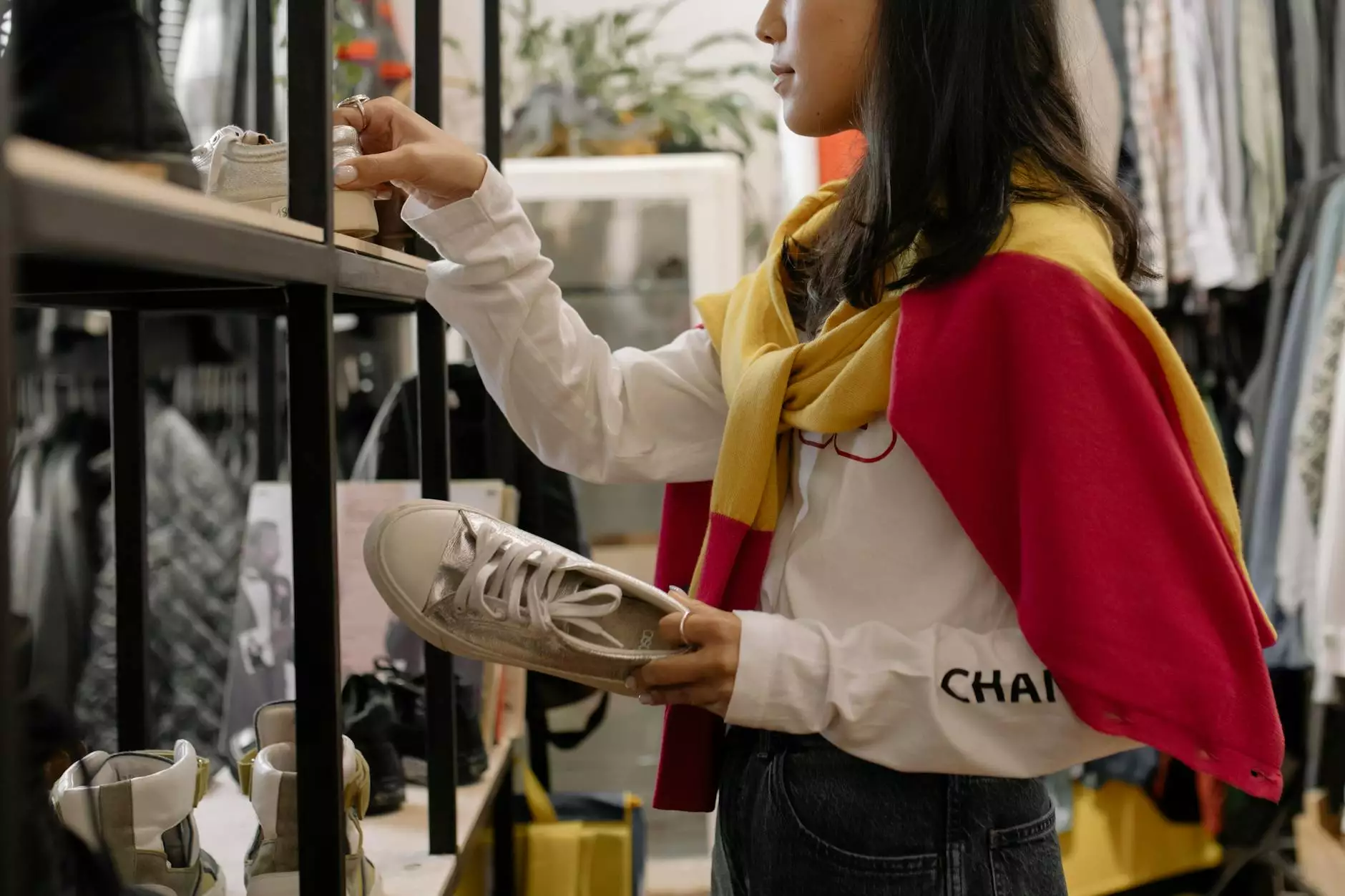
The practice of buying 2nd hand stuff has surged in popularity over recent years, becoming a trend that resonates with various demographics. Whether you're a student on a tight budget, a parent looking for affordable goods, or an eco-conscious buyer, choosing second-hand items offers unparalleled advantages. In this comprehensive guide, we will explore the benefits of purchasing used items, tips for making the best purchases, and the growing cultural movement surrounding second-hand shopping.
Why Buy Second-Hand? Understanding the Benefits
The decision to buy second-hand is often driven by a combination of economic, environmental, and social factors. Below are some compelling reasons to consider:
1. Cost Savings
One of the most significant advantages of buying second-hand is the immediate financial benefit. Used items can be significantly cheaper than their new counterparts. This is particularly apparent in the following categories:
- Electronics: Gadgets like smartphones, laptops, and gaming consoles often depreciate quickly, making them great candidates for second-hand purchases.
- Clothing: Thrift stores and online marketplaces offer high-quality clothing at a fraction of the retail price.
- Household Items: Furniture, decor, and kitchenware can often be found in excellent condition at a lower price.
2. Environmental Impact
Buying 2nd hand stuff is an eco-friendly choice. It extends the life cycle of products and reduces waste. Here’s how:
- Reduction in Waste: Each item purchased second-hand is one less item in a landfill.
- Lower Resource Consumption: By opting for used items, we reduce the demand for new products, which require extensive resources to manufacture.
- Conservation of Energy: The production process for new items consumes a significant amount of energy; buying used helps mitigate this.
3. Unique Finds and Vintage Treasures
Shopping second-hand often reveals unique items that are not available in regular stores. Whether you're looking for vintage clothing, antique furniture, or rare collectibles, the second-hand market can be a treasure trove of one-of-a-kind goods.
4. Supporting Local Economies
Many second-hand stores are small businesses or non-profits. When you purchase used items, you’re often supporting local communities and economies. This economic support helps neighborhoods thrive and fosters a sense of community.
Popular Platforms for Buying Second-Hand Goods
With the digital age, buying 2nd hand stuff has never been easier. A range of online platforms cater to second-hand shoppers. Here are a few noteworthy ones:
1. Online Marketplaces
Websites like eBay, Craigslist, and Facebook Marketplace allow users to buy and sell used items locally. These platforms often feature everything from electronics to furniture and clothing.
2. Dedicated Second-Hand Apps
Apps such as Poshmark, Depop, and ThredUp focus on clothing and accessories, making it easier to find specific items while also allowing sellers to easily list their goods.
3. Thrift Stores and Consignment Shops
Local thrift shops and consignment stores are excellent places to find second-hand items. These stores often curate their inventory, ensuring quality and variety for shoppers.
Tips for Buying Second-Hand Stuff
While buying second-hand can be rewarding, it’s important to know how to do it effectively. Here are some tips to ensure you get the best deals and quality:
1. Inspect Before You Buy
Always take a close look at the condition of the item. Inspect for any damage, wear and tear, or functionality issues. If shopping online, request additional photos or details if needed.
2. Research the Market Value
Knowing the typical price range for a specific item can help you identify a good deal. Use online resources to check how much similar items are selling for, ensuring you make informed decisions.
3. Negotiate
If you're buying from a private seller, don’t hesitate to negotiate the price. Many sellers expect this and are open to haggling, leading to better deals.
4. Be Patient
Finding the perfect second-hand item can take time. Regularly check your favorite shops or online platforms, as inventory frequently changes. Patience can lead to great finds!
Embracing the Second-Hand Culture
As society becomes increasingly aware of the environmental impact of consumerism, the movement towards second-hand shopping is gaining momentum. Here are a few aspects of this cultural shift:
1. Social Media Influence
Platforms like Instagram and TikTok are filled with influencers promoting sustainable living practices, including second-hand shopping. These platforms create a community around sharing finds and inspiring others to embrace second-hand culture.
2. Sustainable Fashion Movement
The sustainable fashion movement has led to an increased interest in thrift shopping, with many people seeking to reduce their fashion footprint by repurchasing and recycling clothing.
3. Educational Initiatives
Schools and organizations are starting initiatives to educate younger generations about responsible consumption, further propelling the shift toward buying second-hand.
Conclusion: The Future of Second-Hand Shopping
The rising trend of people choosing to buy 2nd hand stuff is a testament to changing consumer values. As we become more economically aware and environmentally conscious, second-hand shopping is not merely a trend; it's a movement toward sustainable living and responsible consumption.
Whether you’re looking to save money, find unique treasures, or minimize your ecological footprint, opting for second-hand goods presents countless benefits. By embracing this practice, you contribute to a larger cultural shift that values sustainability, community support, and thoughtful consumption.
So, the next time you need something new, consider going second-hand. You might be surprised at the fantastic finds awaiting you in your local shops or online marketplaces!