Understanding and Navigating the Market of Fake Bank Notes
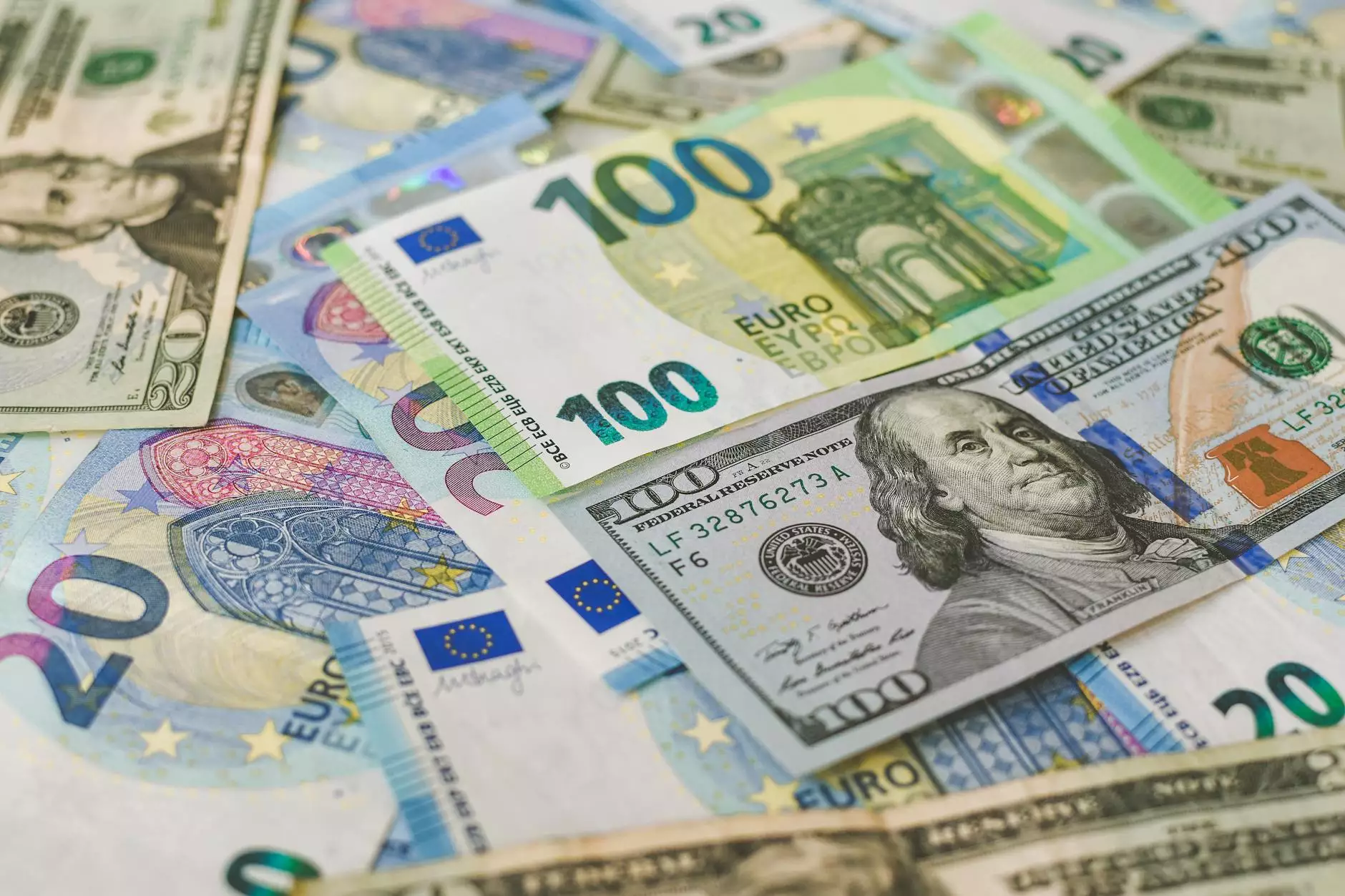
The landscape of currency manipulation has evolved significantly with the advancement of technology. Among the various aspects of this complex environment is the market of fake bank notes. This article delves into the implications, legality, and the thriving business surrounding these counterfeit currencies. Understanding this market is crucial for businesses like buyclonecards.com, specializing in cash flipping and cloned cards.
1. What Are Fake Bank Notes?
Fake bank notes refer to counterfeit currency designed to imitate real money with the intent to deceive. These forgeries can vary in quality, from crudely printed notes to highly sophisticated replicas that can evade casual scrutiny.
1.1 History of Fake Currency
The practice of counterfeiting dates back centuries, with early instances recorded in ancient civilizations. However, the rise of modern counterfeiting can be tracked back to the advent of printing technology in the 19th century. Understanding this history is critical for businesses involved in cash transactions.
2. The Market for Fake Bank Notes
The market for fake bank notes has grown alongside the digital age, with criminals leveraging the internet to distribute counterfeit currencies more widely. This section examines the dynamics of this underground market.
2.1 How the Market Operates
Counterfeiters often utilize sophisticated printing technology to create banknotes that can pass as real. The internet provides a platform for these individuals, allowing them to reach potential buyers globally. Many transactions occur on the dark web, where anonymity is maintained.
2.2 Key Players in the Market
The players in this market can be categorized into various groups:
- Counterfeit Producers: The individuals or groups creating fake currencies.
- Distributors: Those who sell the counterfeit notes to unsuspecting buyers.
- Users: Individuals or businesses that use fake currency, often for illegal transactions.
3. The Legal Implications of Fake Bank Notes
The use, production, or distribution of fake bank notes is illegal in most jurisdictions. The consequences can be severe, including hefty fines and imprisonment. This segment outlines the legal ramifications of engaging in activities involving counterfeit currency.
3.1 Laws and Regulations
Each country has stringent laws against counterfeiting. In the United States, for example, producing or using counterfeit currency can lead to a sentence of up to 20 years in prison. It's imperative for businesses to be aware of these laws to avoid potential legal issues.
3.2 Impact on Businesses
Businesses dealing with cash transactions must implement robust measures to identify and reject counterfeit notes. Failure to do so can damage their reputation and lead to financial losses.
4. How to Protect Your Business from Fake Bank Notes
As a business owner, understanding how to safeguard against counterfeit notes is essential. Here are some strategies that can be implemented:
4.1 Invest in Detection Technology
Implementing tools like UV scanners and other detection machines can help businesses quickly identify fake bank notes. These technologies not only protect your assets but also instill confidence in your customers.
4.2 Train Your Staff
Ensuring that employees are trained to recognize counterfeit notes is a vital step. Regular workshops and education on the latest counterfeit techniques can keep your team informed and vigilant.
4.3 Develop Strong Cash Management Policies
Having comprehensive cash handling policies can minimize the risk of accepting counterfeit money. This includes procedures for cash counting, deposits, and transactions.
5. The Future of Fake Bank Notes
The future of counterfeit currency remains uncertain due to advances in technology. As security features on legitimate banknotes become more sophisticated, counterfeiters will need to adapt to these changes.
5.1 Technological Advances in Counterfeiting
With the advent of 3D printing and high-resolution imaging, producing fake bank notes has become more accessible. This accessibility may lead to an increase in counterfeit currency on the market.
5.2 Potential Legislative Changes
Governments may respond to the rising tides of counterfeiting with more stringent regulations and toughened penalties for offenders. Awareness campaigns may also be initiated to educate the public about recognizing counterfeit currencies.
6. Conclusion: Navigating the Risks of Fake Bank Notes
In conclusion, the world of fake bank notes is fraught with challenges for businesses engaged in cash transactions. By understanding the implications, legal ramifications, and protective measures, companies can thrive in a secure environment. At buyclonecards.com, we emphasize the importance of adopting rigorous compliance and security measures to mitigate risks associated with counterfeit currency.
7. FAQs About Fake Bank Notes
7.1 Can I report suspicious fake bank notes?
Yes, it is essential to report any instances of suspected counterfeit currency to law enforcement agencies. They can follow up on these reports and take necessary actions.
7.2 How can I tell if a banknote is fake?
Some common indicators to check include looking for security features such as watermarks, color-changing inks, and unique textures that are present in genuine banknotes.
7.3 What should I do if I accidentally accept a fake bank note?
If you suspect you have accepted counterfeit currency, stop using it immediately and consult law enforcement on how to proceed.
8. Additional Resources
For more information on dealing with counterfeit currency, consider visiting the following resources:
- U.S. Secret Service - Counterfeiting
- Bank of England - Counterfeiting
- Know Your Money - Anti-Counterfeiting
By staying informed and vigilant, businesses can navigate the challenges posed by fake bank notes and ensure a secure transaction environment. Always prioritize education and technology to protect your interests.