Understanding the Power of Relationship Counselling
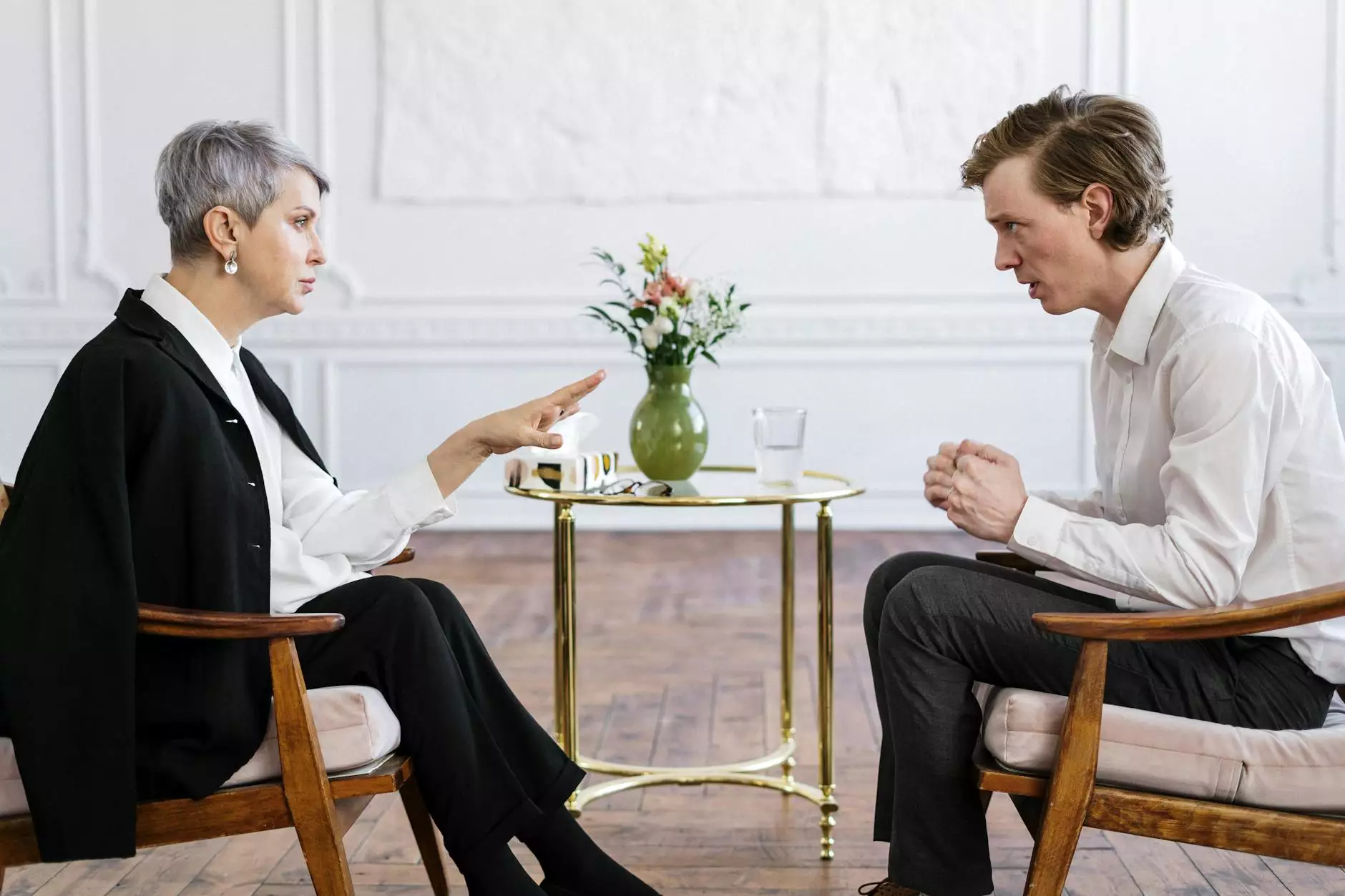
In today’s fast-paced world, maintaining a healthy relationship can often feel like an uphill battle. With the pressures of work, family, and personal commitments, couples may find themselves facing challenges that seem insurmountable. This is where relationship counselling comes into play, offering support and guidance to those seeking to enhance their emotional bonds.
What is Relationship Counselling?
Relationship counselling is a form of therapy aimed at helping couples navigate the complexities of their interactions. This therapeutic process allows both partners to express their feelings, address issues, and work collaboratively towards a healthier relationship. Counselors use various techniques and strategies designed to improve communication and resolve conflicts.
The Benefits of Relationship Counselling
- Improved Communication: One of the primary benefits of relationship counselling is the enhancement of communication skills between partners.
- Conflict Resolution: Counselling equips couples with tools to address and resolve conflicts constructively.
- Strengthened Emotional Bonds: Through therapy, couples can reconnect on a deeper level, fostering intimacy and trust.
- Objective Perspective: A trained counselor can provide an unbiased viewpoint, helping couples see their issues from a new angle.
- Personal Growth: Counselling often leads to individual growth, which can positively impact the relationship.
Common Issues Addressed in Relationship Counselling
Relationship counselling can tackle a myriad of issues that couples face. Some of the most common challenges include:
1. Communication Breakdown
Many couples struggle with effective communication. Misunderstandings, assumptions, and unexpressed feelings can lead to frustration. A counsellor can help develop strategies to foster open and honest conversations.
2. Conflict Resolution
Disagreements are natural in any relationship. However, how couples handle these conflicts matters. Relationship counselling teaches techniques to approach conflicts in a more constructive manner, promoting understanding rather than hostility.
3. Trust Issues
Whether stemming from past experiences or current concerns, trust issues can severely damage a relationship. Counselling can help address these issues, fostering rebuilding trust between partners.
4. Intimacy Challenges
Physical and emotional intimacy are crucial for the health of a relationship. Counsellors can assist couples facing difficulties in intimacy to rediscover their connection.
5. Life Transitions
Major life changes, such as becoming parents, moving, or dealing with loss, can create strain on relationships. Relationship counselling can provide support during these transitions, ensuring both partners feel heard and understood.
The Counselling Process
Engaging in relationship counselling typically involves several steps. Understanding these steps can prepare couples for what to expect during their therapy journey.
Initial Assessment
During the first session, the counselor conducts an initial assessment to understand the couple's dynamics, issues at hand, and their individual perspectives. This process helps establish a tailored approach for therapy.
Setting Goals
The next step involves setting clear and achievable goals for the counselling sessions. Couples discuss what they hope to accomplish, whether it's improving communication, enhancing intimacy, or resolving specific conflicts.
Therapeutic Interventions
With the goal set, the counselor will guide the couple through various therapeutic interventions, which may include:
- Role-playing: Practicing communication and conflict resolution in a safe environment.
- Active Listening Exercises: Fostering skills to ensure both partners feel heard and valued.
- Homework Assignments: Encouraging couples to practice skills learned during sessions at home.
Progress Evaluation
As sessions progress, the counselor will regularly evaluate the couple’s progress towards their goals. Adjustments may be made to the approach as necessary to better serve their needs.
Choosing the Right Counsellor
Finding a qualified therapist is crucial for effective relationship counselling. Here are some tips for choosing a suitable professional:
- Verify Credentials: Ensure the counselor is licensed and trained in relationship therapy.
- Read Reviews: Look for testimonials or reviews from previous clients to gauge the therapist's effectiveness.
- Consider Specialization: Some therapists may specialize in specific areas, such as couples dealing with trauma or LGBTQ+ relationships, so find one that aligns with your needs.
- Trust Your Instincts: The rapport between you and the counselor is essential; trust your feelings about their approach and demeanor.
Overcoming Stigma around Relationship Counselling
For many, there is a stigma surrounding relationship counselling. Some may perceive seeking therapy as a sign of failure or weakness. However, it’s essential to understand that prioritizing emotional health is a strength, not a weakness.
Relationship counselling should be viewed as a resource for growth and development, much like visiting a doctor for physical health concerns. Recognizing the value in seeking help is key to creating and maintaining healthy connections.
Conclusion: The Path to a Stronger Relationship
Investing time and energy into relationship counselling can yield significant rewards for couples. By enhancing communication, resolving conflicts, and fostering emotional intimacy, therapy paves the way for stronger, more fulfilling relationships. Remember, seeking help is a courageous step toward a healthier partnership, reflecting a commitment to one another and to the relationship itself.
If you're ready to take the next step towards improving your relationship, consider reaching out to a qualified counselor today. At mindcareneuroscience.com.au, we are committed to helping couples thrive through professional, compassionate counselling.