The Ultimate Guide to Pumkings: Elevating Your Garden with Style
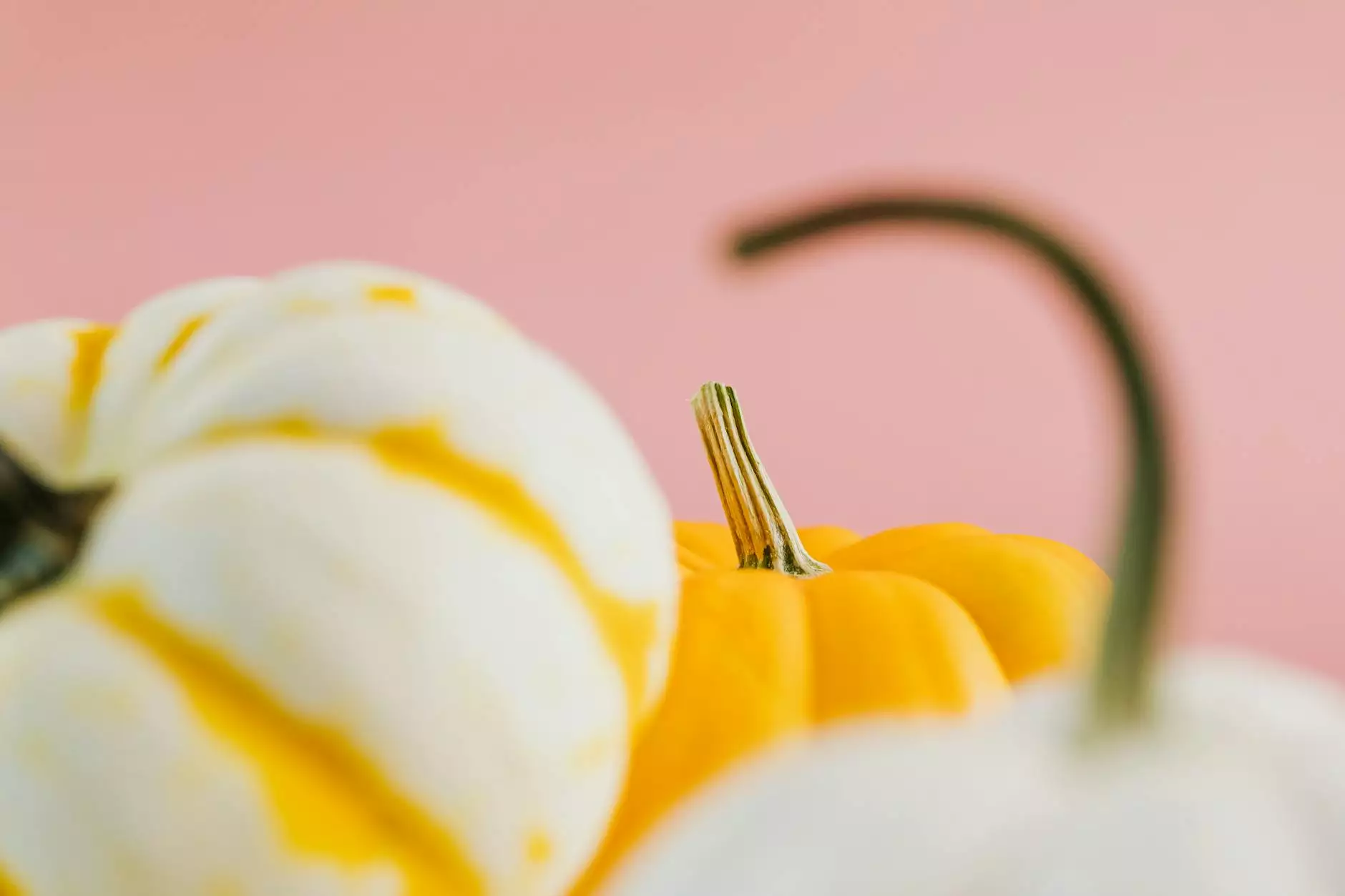
When it comes to creating a stunning garden that captures the essence of the season, few crops can compete with pumkings. These vibrant, versatile fruits not only add color and life to your garden but also offer a bounty of culinary and aesthetic delights. In this comprehensive guide, we will delve into the world of pumkings, exploring their history, benefits, cultivation tips, and how they can transform your gardening experience.
Table of Contents
- 1. The History of Pumkings
- 2. Benefits of Growing Pumkings
- 3. Cultivating Pumkings: A Step-by-Step Guide
- 4. Varieties of Pumkings to Consider
- 5. Creative Uses for Pumkings
- 6. Common Pumkings Problems and Solutions
- 7. Final Thoughts on Pumkings
1. The History of Pumkings
The word pumkings often evokes images of autumn festivities and Halloween celebrations. However, the origins of these fascinating fruits trace back thousands of years. Native to North America, pumkings were cultivated by indigenous peoples long before the arrival of European settlers. They are believed to have been part of the Three Sisters agricultural method, alongside corn and beans, helping to sustain communities.
As time evolved, pumkings made their way into cuisines and cultures around the globe. Today, they symbolize not only harvest time but also the artistry of gardening. Understanding their rich history enhances our appreciation for these wonderful plants.
2. Benefits of Growing Pumkings
There are countless reasons to grow pumkings in your garden. Below, we explore some of the most significant benefits:
- Visual Appeal: The striking colors and diverse shapes of pumkings add a unique touch to any garden.
- Health Benefits: Pumkings are nutritious, packed with vitamins A and C and rich in fiber, making them a healthy addition to your diet.
- Diverse Uses: From soups to pies, pumkings can be transformed into a variety of delicious dishes or used for decorative purposes.
- Easy to Grow: These resilient fruits are relatively easy to cultivate, making them suitable for both novice and experienced gardeners.
- Community Connection: Growing pumkings can foster community spirit through harvest festivals and sharing produce with neighbors.
3. Cultivating Pumkings: A Step-by-Step Guide
To successfully cultivate pumkings, follow these detailed steps:
Step 1: Choose the Right Location
Pumkings thrive in full sunlight, requiring at least 6 hours of direct sunlight daily. Select a well-drained plot of soil with good fertility, ideally enriched with organic matter.
Step 2: Prepare the Soil
Before planting, amend the soil with compost or well-rotted manure to enhance its nutrient content. Test the pH and adjust if necessary, aiming for a range between 6.0 and 7.0.
Step 3: Sow the Seeds
Pumkings are best started indoors in early spring. Transplant them outdoors after the frost date when the soil temperature reaches at least 60°F (15°C). Sow seeds approximately 1 inch deep and 4 to 6 feet apart in rows spaced 8 to 10 feet apart.
Step 4: Watering and Maintenance
Water your pumkings regularly, ensuring consistent moisture without saturating the soil. Mulch around the plants to conserve moisture and suppress weeds. Fertilize every few weeks with a balanced fertilizer to promote healthy growth.
Step 5: Pest Management
Keep an eye out for common pests like aphids and squash bugs. Introduce beneficial insects or use organic pesticides as needed to protect your crop.
Step 6: Harvesting
Harvest your pumkings when they have reached their full color and the rind is hard. Use a sharp knife to cut the stems, leaving a few inches attached to the fruit to prolong shelf life.
4. Varieties of Pumkings to Consider
There are numerous pumkings varieties, each with unique characteristics. Here are some popular ones:
- Jack-o'-Lantern: Known for its classic shape and bright orange color, perfect for Halloween.
- Sugar Pie: Small and sweet, ideal for baking pies and other desserts.
- Blue Moon: A unique bluish-gray skin that adds a distinct touch to your garden.
- White Pumpkin: Also known as “Lumina,” these stunning white pumkings are used for decoration and cooking.
- Cinderella Pumpkin: Characterized by its flat shape and deep red-orange color, great for displays and dishes.
5. Creative Uses for Pumkings
The applications of pumkings extend beyond just gardening. Here are some imaginative ways to use them:
- Cooking: From soups to baked goods, pumkings can be used in a variety of recipes. Try incorporating pumkings in your bread, curry, or risotto for a delicious twist.
- Decor: Whether carved for Halloween or displayed as part of autumnal decor, pumkings bring a festive spirit to any home.
- Seeds: Don’t discard the seeds! Roast them for a nutritious snack or plant them for more pumkings.
- Compost: After the harvest, add any unwanted pumkings to your compost pile to enrich your garden’s soil.
6. Common Pumkings Problems and Solutions
Growing pumkings does come with its challenges. Here are common problems you might encounter, along with their solutions:
- Powdery Mildew: This fungal disease manifests as a white powder on leaves. To prevent it, ensure adequate spacing for airflow and use organic fungicides.
- Bacterial Wilt: Caused by cucumber beetles, this disease can be managed by monitoring pest populations and using row covers.
- Blossom End Rot: This is often due to inconsistent watering. Maintain regular moisture levels to prevent fruit from rotting at the base.
7. Final Thoughts on Pumkings
In conclusion, pumkings are not merely a seasonal favorite; they represent the intersection of beauty, utility, and tradition. Whether you are a seasoned gardener or a beginner, the joy of cultivating pumkings can enhance your gardening experience and connect you to the rhythms of nature. By following the tips and insights in this guide, you can create a thriving garden that celebrates the spirit of the harvest.
As you embark on your pumking journey, remember that each aspect of this process— from planting to harvesting—holds the promise of joy, creativity, and a deeper appreciation for the art of gardening. Happy gardening!